
 sales:
  sales:





 Cloud & on-premises CRM
 Point of Sale (POS)
 Taskwave Field Service ERP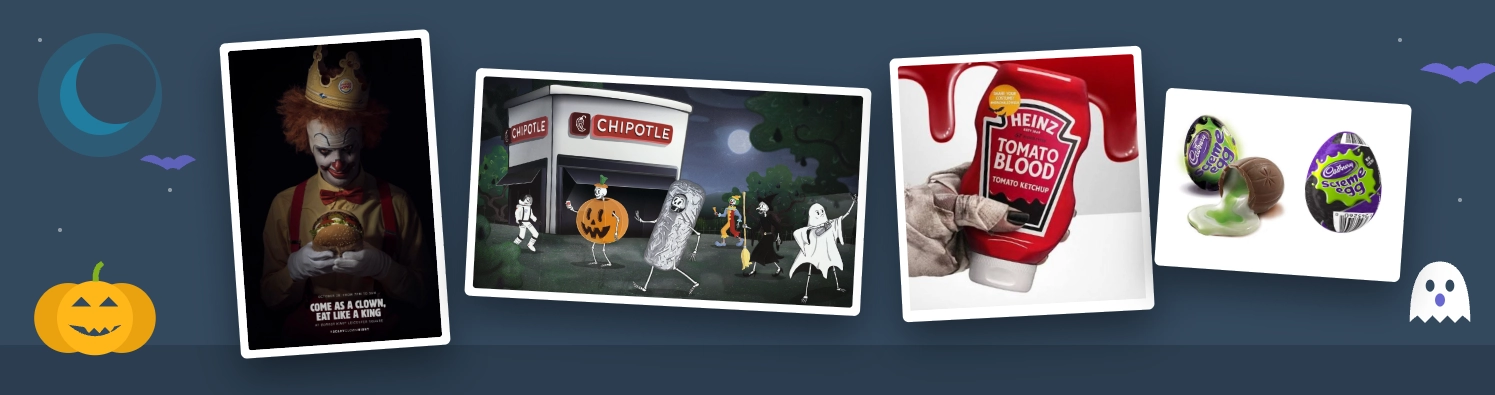
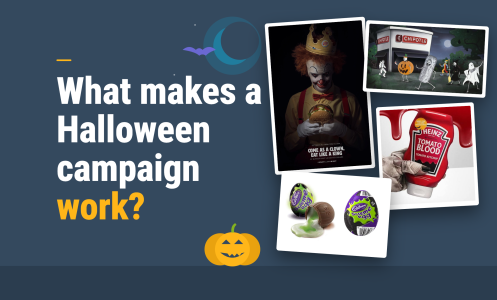
Halloween is one of the few seasonal moments when customers want to play along. They dress up, decorate, share photos, and look for reasons to make the night memorable. The brands that win in October don't just put pumpkins on their ads. They give people something to do. We asked marketers, founders, and brand strategists to name their favorite Halloween campaigns and explain why they worked. Their answers point to four clear patterns.
1. Make customers part of the campaign
Burger King: Scary Clown Night
No campaign came up more often than Burger King's Scary Clown Night. Anyone who showed up dressed as a clown on Halloween got a free Whopper. The promotion was a playful dig at a rival whose mascot is a clown.
Jack Wright, Senior Vice President of Operations at HealthWright Technologies, says the genius was that "the costume did the advertising." He explains: "Every guest who walked in was both the joke and the delivery of it, and the photos wrote themselves."
James McWhinney, founder of Premium Grounding, says the stunt did "three jobs for the price of a burger." In his view, it rode a moment everyone was already talking about, took a sly shot at a competitor without naming him, and turned customers into the media. "A queue of adults in clown costumes photographs itself," he notes.
For Cassie Egli of S4 Marketing, the campaign worked because Burger King already knew exactly who it was. "Seasonal campaigns only convert when your brand identity is already clear," she says. "When your foundational messaging is solid, creative stunts amplify lasting brand recall instead of just creating temporary noise."
Julia Mathers, Marketing & Finance Executive at Pasha Funding, also points to the humor. Turning a competitor's mascot into the punchline, she says, "makes you smile and remember the brand."
Jennifer David, Business Development and Strategy Consultant at Code Orbitals, credits the campaign's success to its "simplicity and shareability." People were invited to participate, not just watch an ad.
Chipotle: Boorito
Chipotle's long-running Boorito promotion uses the same principle with an added loyalty layer.
Nikita Khandheria, Founder and CEO of ERIA, values the campaign's consistency. "The recurring format has also helped make the campaign recognizable over time, which is much harder and more valuable than creating a completely new seasonal idea every year," she says.
Jenna Lofton, founder of StockHitter, highlights the 2025 version. Rewards members who came in costume could get a $6 entrée. She points out that the offer was "easy enough to explain in a group text." The Rewards requirement also gave Chipotle a way to bring customers back "after everyone put the fake teeth away."
2. Let the product carry the idea
Some of the strongest Halloween campaigns don't borrow seasonal imagery. They find the Halloween angle already hidden inside the product.
Heinz's "Tomato Blood" is a prime example, according to Taylor Misukonis, Senior Digital Brand Designer at The Frye Company. Ketchup has long stood in for fake blood in costumes. "The strongest seasonal marketing builds on something a brand already authentically owns," she says.
Chris Coussons, founder of Visionary Marketing, makes a similar point about Cadbury's smashable Creme Egg work in the UK. His verdict is: "The product did the stunt."
In gaming, Marcus, founder of Lost In Consoles, picks Pokémon GO's annual Halloween event. "The costume is the bait and the candy bonus is the trap," he says. "The theme gets you in, the mechanic keeps you there."
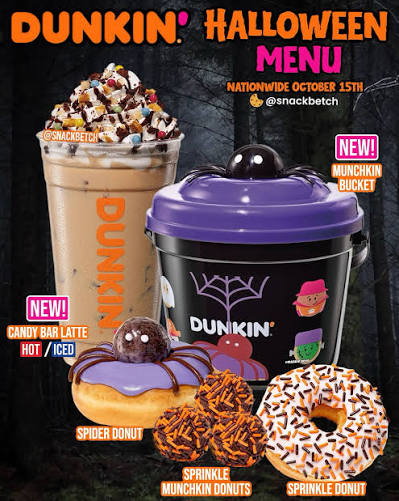
Aaron Traub, owner of Geaux SEO, likes how Dunkin' builds Halloween into the menu itself, with spider and ghost donuts and seasonal drinks. "They make Halloween part of the actual customer experience," he says.
Anne-Marie Green, Head of Marketing at KnowRoaming, points to Fanta's Haunted Apple soda, which tapped the Beetlejuice revival with a striped can and a "Wanta Fanta" twist on the summoning chant. According to Green, the campaign "encouraged even people who don't regularly drink the soda to try it out."
3. Turn the occasion into an experience
Airbnb: A Night at Dracula's Castle
Airbnb offered an overnight stay at Bran Castle in Transylvania, complete with a carriage ride, a Dracula-inspired dinner, and velvet-lined coffins.
Drew Edmondson of Standby Local praises how closely the idea matched Airbnb's business. "Instead of just slapping spooky graphics on their site, they leveraged their core platform, booking unique accommodations," he says.
Molly S. McClure, Fractional CMO at DrugScreens, sees it as proof of experiential marketing's power. "The irony is that those real-world experiences often become the things people can't stop talking about online."
Halsey's Halloween Party
Jordan Kaye from Analog Events, the team that produced Halsey's annual Halloween parties, describes how the event became part of her brand. For the Gotham City edition, the team built an entire Batman-inspired world, with Halsey arriving as Poison Ivy. "The event itself becomes content and culture rather than feeling like a campaign," he says.
4. Lead with personality, even if it's provocative
Roger Aguiar of RG Agency picks Burger King's Halloween Whoppers. "People were posting reactions, news outlets were covering it, and BK barely had to amplify it themselves," he says. "That's the dream: a campaign so provocative it markets itself."
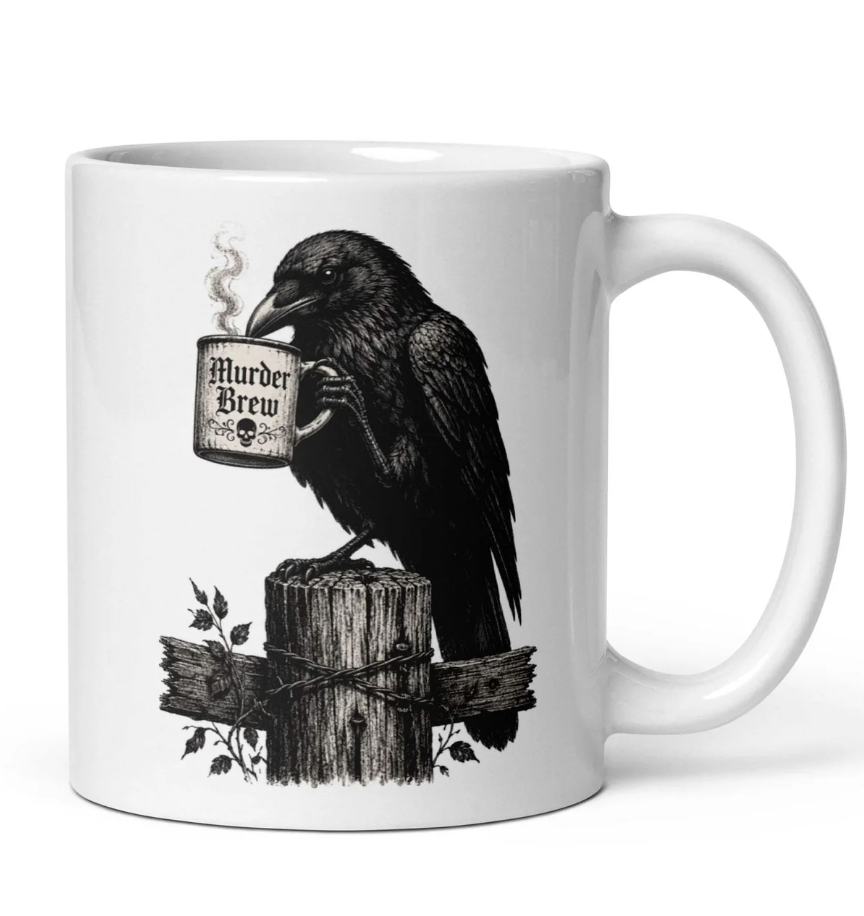
For smaller brands, personality can be the whole strategy. Juan Carlos Martinez of KayWoot describes the brand's "Trick or Tee" collection, which uses quirky designs like a "Murder Brew Crow" mug across apparel and home décor. "Bold, personality-first storytelling creates an emotional connection that turns temporary holiday shoppers into loyal, year-round brand advocates," he says.
Key takeaways
- Give people a role. Participation travels further than discounts.
- Start from what you own. The best ideas come from the product or platform itself.
- Repeat what works. Recurring formats build anticipation year after year.
- Know your brand first. A stunt only sticks when the identity behind it is clear.
About SeoSamba
SeoSamba is a marketing and CRM platform that unifies websites, SEO, CRM, POS, automation, and multi-location marketing into a single connected system.
Its infrastructure enables businesses, franchise networks, and marketing agencies to scale marketing execution while progressively adopting AI-driven automation through solutions like LocalEko.
LocalEko represents a shift from marketing as manual work to marketing as a continuous, background process – where visibility, content, and optimization happen automatically as part of a unified system.
Thank you for reading! We are looking for agencies to contribute and share their expertise in articles aimed at SMB's and Franchises. Please drop us a message with subject "ARTICLE" at lana@seosamba.com